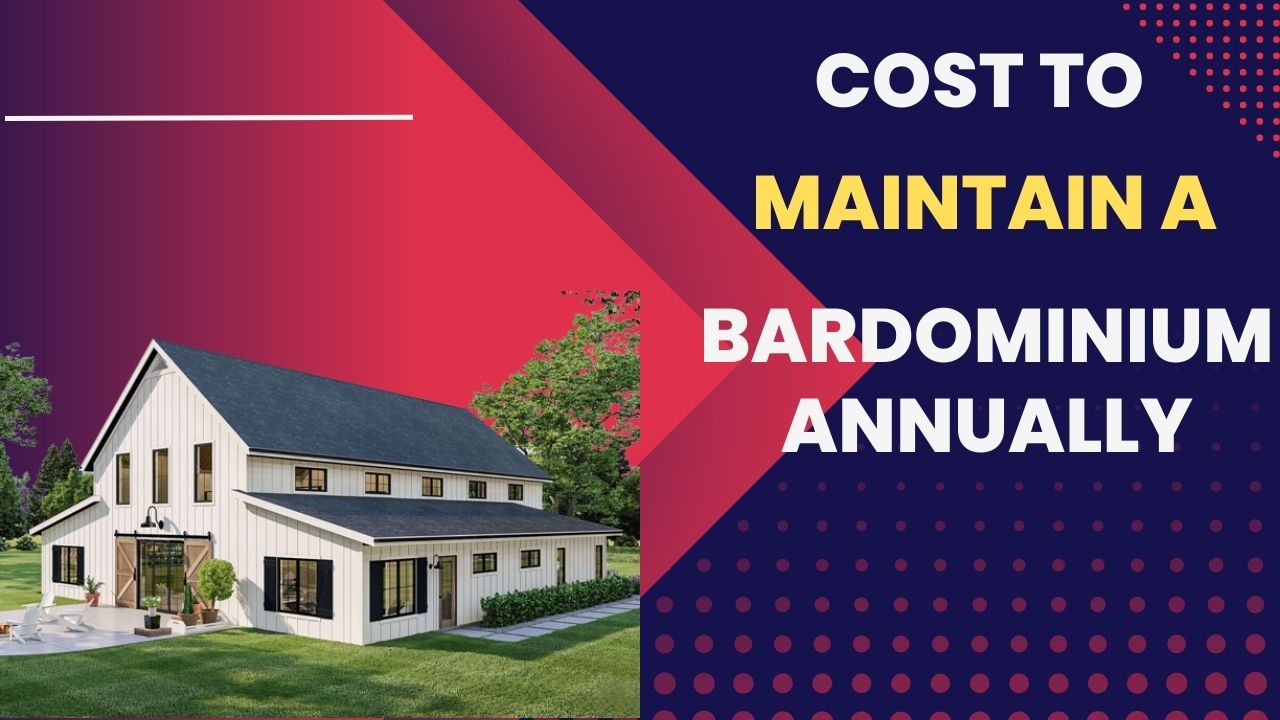
Are you considering purchasing a Bardominium? This modern take on a traditional barn has become increasingly popular in recent years. Not only are they stylish and unique, but they also offer spacious living areas and room for customization.
However, before you take the plunge and invest in a Bardominium, it’s important to consider the annual maintenance costs. Just like any other type of home, Bardominiums require regular upkeep and repairs to keep them in top shape.
In this comprehensive guide, we’ll break down the various costs associated with maintaining a Bardominium annually. From utilities to repairs and upkeep, you’ll learn what to expect and how to budget accordingly.
Table of Contents
Utilities
The first factor to consider when estimating the cost of maintaining a Bardominium annually is utilities. These include:
1. Electricity
Electricity is one of the most significant costs associated with maintaining a Bardominium. This is because Bardominiums are typically large structures that require a lot of energy to keep cool or warm.
The cost of electricity will vary depending on your location, the size of your Bardominium, and your personal energy usage habits. On average, homeowners can expect to pay around $1,200-$2,400 per year for electricity.
2. Water
The cost of water is another important factor to consider. Bardominiums typically have large plumbing systems, which means that water bills can quickly add up.
On average, homeowners can expect to pay around $500-$1,000 per year for water.
3. Gas
If your Bardominium has gas appliances or a gas furnace, you’ll also need to factor in the cost of gas. This can vary depending on your location and the size of your home.
On average, homeowners can expect to pay around $500-$1,000 per year for gas.
Repairs and Upkeep
In addition to utilities, Bardominiums also require regular repairs and upkeep to keep them in top shape. These costs can vary depending on the age and condition of your home.
1. Roofing
The roof is one of the most critical components of your Bardominium. It protects your home from the elements and keeps it safe and dry.
The cost of roofing repairs and upkeep will vary depending on the type of roofing material used and the size of your home. On average, homeowners can expect to pay around $2,000-$4,000 per year for roofing repairs and upkeep.
2. HVAC System
Your HVAC system is responsible for keeping your Bardominium cool in the summer and warm in the winter. It’s essential to keep this system in good condition to ensure that it functions properly.
The cost of HVAC repairs and upkeep will vary depending on the type of system you have and the age of your home. On average, homeowners can expect to pay around $1,000-$2,000 per year for HVAC repairs and upkeep.
3. Plumbing
Your Bardominium’s plumbing system is responsible for bringing in fresh water and removing wastewater. If your plumbing system isn’t functioning properly, it can lead to costly repairs and water damage.
The cost of plumbing repairs and upkeep will vary depending on the age of your home and the type of plumbing system you have. On average, homeowners can expect to pay around $500-$1,000 per year for plumbing repairs and upkeep.
4. Exterior Maintenance
Your Bardominium’s exterior is the first thing people see when they see your home. It’s important to keep it well-maintained to ensure that your home looks great and remains structurally sound.
The cost of exterior maintenance will vary depending on the size of your home and the type of exterior materials used. On average, homeowners can expect to pay around $1,500-$3,000 per year for exterior maintenance.
5. Interior Maintenance
Just like the exterior, the interior of your Bardominium requires regular maintenance to keep it in top shape. This includes things like painting, cleaning, and replacing appliances.
The cost of interior maintenance will vary depending on the age of your home and the materials used in the construction. On average, homeowners can expect to pay around $1,500-$3,000 per year for interior maintenance.
6. Property Taxes
One cost that many homeowners forget to consider is property taxes. The amount you’ll pay in property taxes will depend on the value of your home and your location.
On average, homeowners can expect to pay around $1,500-$3,000 per year in property taxes for a Bardominium.
Conclusion
In conclusion, maintaining a Bardominium can be a significant investment. From utilities to repairs and upkeep, there are several costs to consider when budgeting for your annual maintenance expenses.
On average, homeowners can expect to pay around $8,000-$15,000 per year to maintain a Bardominium. However, this can vary depending on the size of your home, the materials used in the construction, and your personal maintenance habits.
By understanding the costs associated with maintaining a Bardominium, you can better prepare yourself financially and ensure that your home remains in top condition for years to come.
FAQs
Q: Are Bardominiums more expensive to maintain than traditional homes?
A: It depends on the size and age of the home, as well as the materials used in the construction. In general, Bardominiums may be more expensive to maintain due to their unique design and large size.
Q: Can I reduce my utility costs in a Bardominium?
A: Yes, there are several ways to reduce your utility costs in a Bardominium. This includes things like upgrading to energy-efficient appliances and using a programmable thermostat.
Q: Do Bardominiums require more repairs than traditional homes?
A: Not necessarily. The number of repairs required will depend on the age and condition of the home, as well as the quality of the construction.